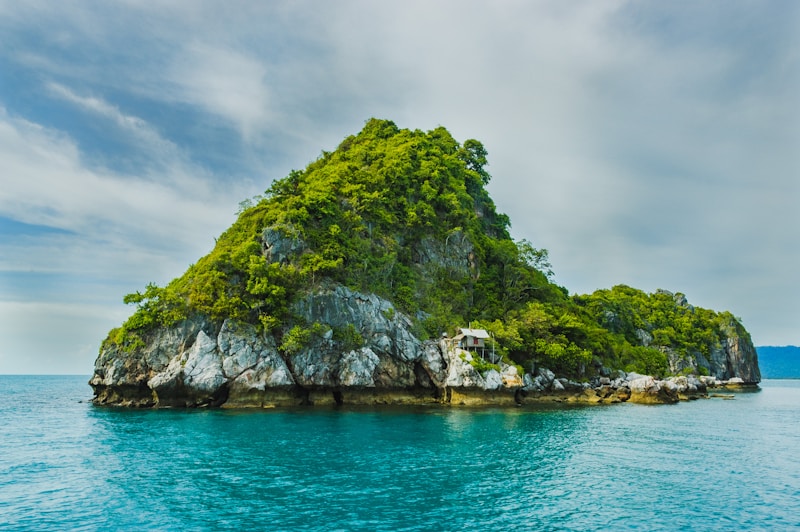
Introduction: The Allure of Venezuelan Island Properties
Venezuela's Caribbean coastline stretches over 2,800 kilometers, dotted with some of the most pristine and undervalued island properties in the Western Hemisphere. From the coral archipelago of Los Roques to the untouched shores of La Tortuga, Venezuelan island real estate represents a rare intersection of natural beauty, exclusivity, and investment potential.
While private island ownership in the Caribbean typically demands $10M+, Venezuelan island properties and development rights start from as low as $500,000—a fraction of comparable offerings in the Bahamas, Turks and Caicos, or the British Virgin Islands.
Los Roques Archipelago: Crown Jewel of Venezuelan Islands
Overview
Los Roques National Park is a federal dependency comprising approximately 350 islands, cays, and islets spread across 40 km of crystal-clear Caribbean waters. Designated a national park in 1972, it remains one of the best-preserved marine ecosystems in the Caribbean.
Investment Opportunities
What's Available:
- Existing posada (boutique hotel) operations on Gran Roque
- Long-term concession rights on select cays
- Commercial tourism operation licenses
- Waterfront lots on Gran Roque for posada development
Pricing Range:
| Property Type | Price Range (USD) | Notes |
|---|---|---|
| Operating posada (6-10 rooms) | $800,000 - $2,500,000 | Turnkey operations with existing clientele |
| Posada building lot | $200,000 - $600,000 | On Gran Roque, requires construction |
| Concession rights (small cay) | $500,000 - $1,500,000 | 20-30 year renewable leases |
| Premium cay development rights | $2,000,000 - $5,000,000+ | Larger islands with development permits |
The Los Roques Lifestyle
Gran Roque, the only permanently inhabited island, offers a unique blend of Caribbean charm and exclusivity:
- No cars — The island is entirely pedestrian
- Limited capacity — Only approximately 60 posadas operate, keeping tourism sustainable
- World-class diving and fishing — Bonefishing capital of Venezuela
- Direct flights — 35-minute flight from Caracas via Maiquetía airport
- Celebrity appeal — A discreet destination favored by high-net-worth individuals
Development Restrictions
As a national park, Los Roques has strict environmental regulations:
- All construction must use approved materials and architectural styles
- Building heights are limited to two stories
- Environmental impact assessments are mandatory
- Marine activities require permits from INPARQUES (National Parks Institute)
- Waste management systems must be self-contained
- Solar energy and water desalination are encouraged
La Tortuga Island: Untapped Potential
Overview
La Tortuga is Venezuela's second-largest island (156 km²) and one of the largest uninhabited islands in the Caribbean. Located approximately 85 km north of the mainland, it features pristine beaches, mangrove forests, and coral reefs.
Investment Landscape
La Tortuga represents perhaps the most significant untapped island development opportunity in the Caribbean:
Current Status:
- Classified as a federal dependency with no permanent population
- The Venezuelan government has periodically considered development plans
- Current access is limited to private boats and chartered flights
- Military presence for territorial sovereignty
Potential Opportunities:
- Government-partnered resort development
- Eco-tourism concessions
- Marine research station partnerships
- Sustainable fishing operations
Estimated Investment Requirements:
- Small eco-resort: $2,000,000 - $5,000,000
- Medium resort complex: $5,000,000 - $15,000,000
- Large-scale development: $15,000,000+
Challenges
- Infrastructure must be built from scratch (desalination, power, waste)
- Government approvals are complex and time-consuming
- Environmental restrictions are significant
- Access logistics require substantial investment
- Political risk factors must be carefully evaluated
Coche Island: The Accessible Alternative
Overview
Coche Island, located just 8 km off Margarita Island, offers a more accessible entry point for island property investment. With approximately 12,000 residents and existing infrastructure, Coche combines island exclusivity with practical amenities.
Property Opportunities
Available Property Types:
- Beachfront lots for villa construction
- Existing houses and vacation properties
- Commercial lots for boutique hotel development
- Waterfront restaurant and marina sites
Pricing:
| Property Type | Price Range (USD) |
|---|---|
| Beachfront lot (500-1000 m²) | $50,000 - $200,000 |
| Beachfront villa (3-4 bedrooms) | $150,000 - $500,000 |
| Commercial beachfront lot | $100,000 - $400,000 |
| Existing boutique hotel | $300,000 - $1,200,000 |
Why Coche Island?
- Wind sports capital — World-renowned for kitesurfing and windsurfing
- Ferry access — Regular service from Margarita Island (30 minutes)
- Airport — Small airstrip for private and charter flights
- Growing tourism — International kitesurfing events draw global visitors
- Affordable entry — Prices are a fraction of comparable Caribbean islands
- Infrastructure — Electricity, water, telecommunications already in place
Legal Framework for Island Properties
Ownership Structures
Venezuelan island property law varies depending on the classification:
Federal Dependencies (Los Roques, La Tortuga, Las Aves):
- Direct ownership is generally not available
- Concession agreements with the federal government are the primary mechanism
- Concessions are typically 20-30 years, renewable
- Improvements and structures built under concession can be transferred
- Annual concession fees apply
State-Affiliated Islands (Coche, Cubagua under Nueva Esparta state):
- Standard property ownership applies
- Title registration through SAREN
- Municipal zoning and building codes apply
- Foreign ownership follows standard Venezuelan real estate law
Key Legal Documents:
- Concession agreement (for federal dependencies)
- Environmental impact assessment
- INPARQUES permits (for protected areas)
- Construction permits from relevant authority
- Tourism operation license (for commercial use)
Due Diligence for Island Properties
Extra caution is required for island transactions:
- Verify the legal classification of the island
- Confirm the validity and transferability of any concession
- Check environmental restrictions thoroughly
- Review historical claims and disputes
- Assess infrastructure feasibility
- Evaluate political risk and regulatory stability
Eco-Tourism Potential
Why Eco-Tourism Works in Venezuela
Venezuela's islands offer exceptional eco-tourism potential due to:
- Biodiversity — Marine turtle nesting sites, seabird colonies, coral reefs, mangroves
- Pristine conditions — Many areas are largely untouched
- Growing market — Global eco-tourism market expected to reach $540 billion by 2028
- Differentiation — Venezuelan islands are not yet saturated with tourism
- Government support — Environmental tourism is encouraged over mass tourism
Eco-Tourism Development Models
Model 1: Luxury Eco-Lodge ($1M-3M investment)
- 6-12 private cabanas with ocean views
- Solar-powered, water-recycling systems
- Guided diving, snorkeling, and fishing excursions
- Farm-to-table dining with local ingredients
- Expected ROI: 15-25% annually at full occupancy
Model 2: Marine Research & Tourism Hybrid ($2M-5M investment)
- Research station partnered with a university
- Citizen science programs for paying guests
- Coral reef restoration programs
- Expected ROI: 10-15% with grant funding supplementation
Model 3: Adventure Tourism Camp ($500K-1.5M investment)
- Kitesurfing and windsurfing instruction
- Kayaking and paddleboarding
- Camping and glamping facilities
- Expected ROI: 20-30% seasonally
Case Studies
Case Study 1: Posada Acquisition in Los Roques
Background: A European investor group acquired a 10-room posada on Gran Roque in 2023 for $1.2M.
Investment:
- Purchase price: $1,200,000
- Renovation: $300,000
- New equipment and furnishings: $150,000
- Total: $1,650,000
Results (Year 2):
- Average occupancy: 72%
- Average nightly rate: $280 per room
- Annual gross revenue: $588,000
- Operating costs: $310,000
- Net annual income: $278,000
- ROI: 16.8%
Case Study 2: Coche Island Beachfront Development
Background: A Venezuelan-American partnership purchased three adjacent beachfront lots on Coche Island in 2024.
Investment:
- Land acquisition (3 lots): $180,000
- Villa construction (3 units): $420,000
- Landscaping and amenities: $50,000
- Total: $650,000
Results:
- Two villas used for vacation rental, one for personal use
- Rental income (2 villas): $84,000/year
- Operating costs: $28,000/year
- Net rental income: $56,000/year
- ROI on rental portion: 12.9% (excluding personal use villa appreciation)
Challenges and Risk Factors
Political and Regulatory Risks
- Government policy changes can affect concession terms
- Sanctions may complicate international transactions
- Regulatory uncertainty around development approvals
Infrastructure Challenges
- Remote islands lack basic infrastructure
- Construction costs are significantly higher than mainland
- Supply chain logistics for materials and provisions
- Hurricane and tropical storm exposure
Environmental Risks
- Climate change and sea-level rise affect low-lying islands
- Coral bleaching impacts marine tourism appeal
- Environmental regulations may tighten further
- Natural disaster insurance is expensive or unavailable
Financial Considerations
- Currency instability affects operating costs
- Limited exit liquidity—island properties can take time to sell
- Maintenance costs are ongoing and significant
- Seasonal income fluctuations
Frequently Asked Questions
Can foreigners own private islands in Venezuela?
Direct ownership of islands classified as federal dependencies is not available. However, foreigners can acquire long-term concession rights (20-30 years, renewable) and own structures built under those concessions. On state-affiliated islands like Coche, standard property ownership by foreigners is permitted.
What is the cheapest island property available in Venezuela?
Entry-level beachfront lots on Coche Island start around $50,000. For island development rights, the minimum investment typically starts at $500,000 for small-scale concessions in Los Roques.
How do I find island properties for sale?
Specialized luxury real estate agents in Caracas and Margarita Island handle island transactions. Online platforms like caracas-realestate.com feature select island listings. Direct inquiries to INPARQUES for concession opportunities can also yield results.
Is it possible to build a private residence on a Venezuelan island?
Yes, on state-affiliated islands (Coche, Margarita) you can build private residences following local building codes. On federal dependencies like Los Roques, construction is limited to tourism-related structures under concession agreements.
What is the best island for first-time investors?
Coche Island offers the best combination of accessibility, affordability, existing infrastructure, and growth potential. It's ideal for investors who want island exposure without the complexity and cost of developing remote, uninhabited islands.
How long does it take to acquire island property?
Standard property purchases on Coche Island take 2-4 months. Concession agreements for Los Roques or other federal dependencies can take 6-18 months due to government approval processes and environmental assessments.
Conclusion
Venezuelan island real estate offers a unique window of opportunity for investors willing to navigate the complexities of this emerging market. From the affordable charm of Coche Island to the exclusive allure of Los Roques, the range of investment options spans from $50,000 beachfront lots to multi-million-dollar resort developments.
The key is matching your investment goals, risk tolerance, and timeline with the right island opportunity—and surrounding yourself with experienced local professionals who understand both the potential and the pitfalls.
Explore our curated island property listings or contact our luxury property team for exclusive island investment opportunities.

Written by
Maria Fernandez
Venezuela real estate expert with over 15 years of experience helping international investors find premium properties.